When a defective product causes consumer injury or property damage, determining who holds legal responsibility can be complex. In modern globalized commerce, where products pass through dozens of component manufacturers, assemblers, distributors, and retailers, strict product liability laws establish clear frameworks for assigning accountability across every level of a multi-tier supply chain.
Understanding the Foundations of Strict Product Liability
Unlike traditional negligence claims—which require an injured plaintiff to prove that a defendant failed to exercise reasonable care—strict product liability focuses entirely on the product itself. Under strict liability doctrine, if a product is defective and unreasonably dangerous when it leaves the defendant’s control, the commercial entities involved in bringing that product to market can be held legally liable for resulting harm, regardless of whether they acted with intent or negligence.
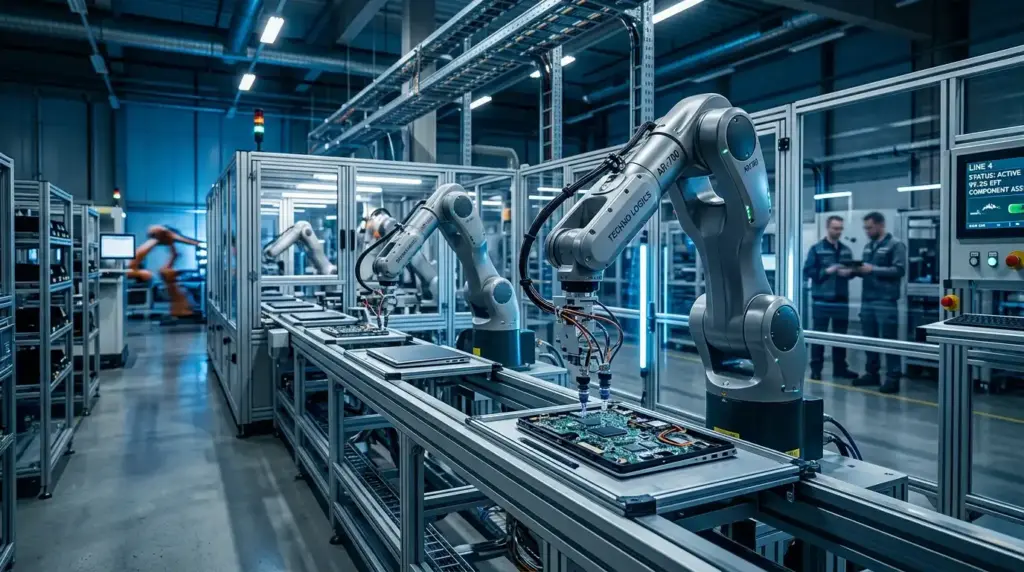
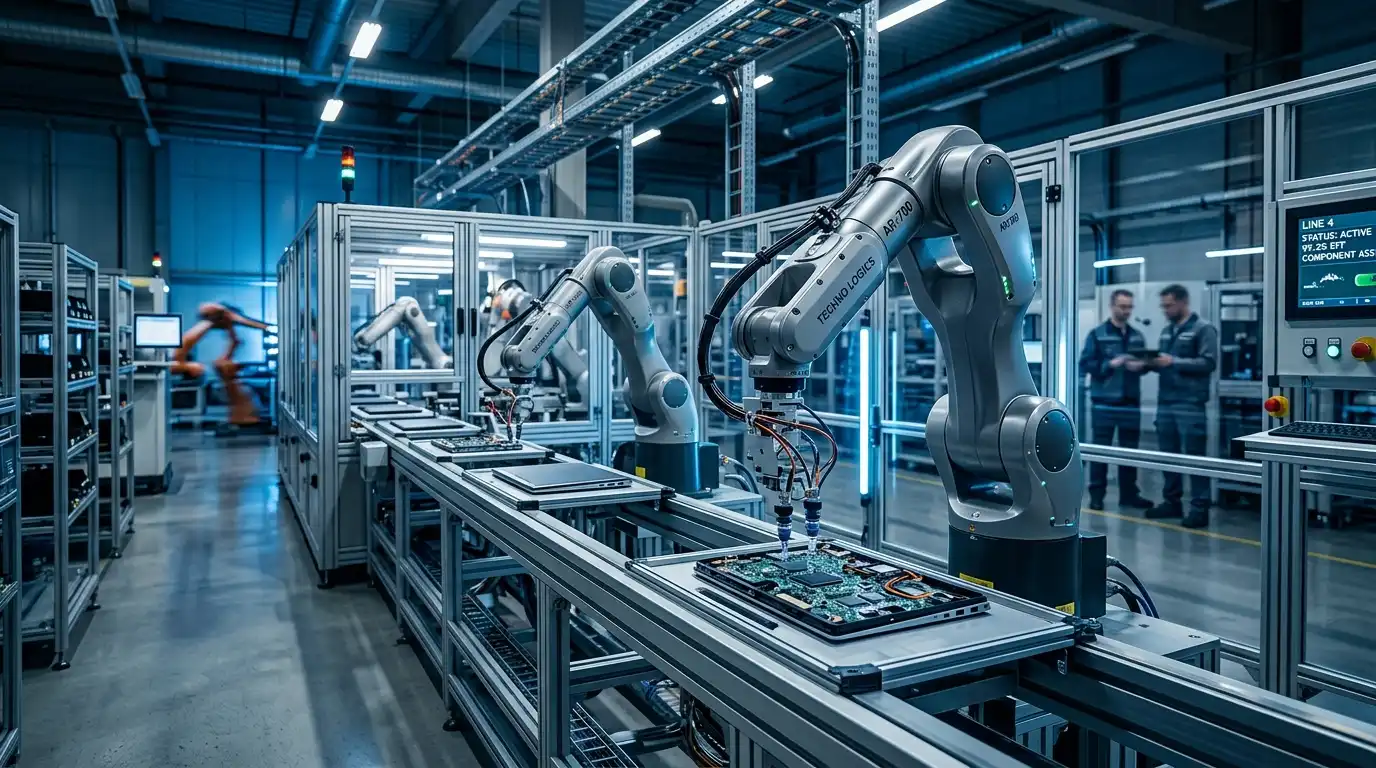
In complex commercial manufacturing, a single consumer item—such as an electric bicycle, a medical device, or an industrial power tool—contains hundreds of sub-assemblies produced across multiple tiers. When a failure occurs, identifying legal responsibility requires analyzing how strict product liability in supply chain defects applies to each entity in the chain of distribution.
The Legal Cast: Tiers of the Modern Supply Chain
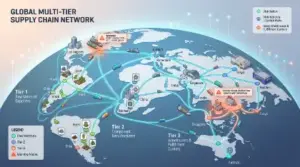
To evaluate how liability flows, it is essential to define the commercial entities comprising a multi-tier manufacturing supply chain:
- Tier 3 & Raw Material Suppliers: Entities that extract, refine, or provide basic inputs such as steel alloys, lithium compounds, or rubber compounds.
- Tier 2 & Component Part Manufacturers: Businesses that fabricate specialized sub-components, such as microchips, hydraulic valves, circuit boards, or wiring harnesses, using raw materials.
- Tier 1 & Original Equipment Manufacturers (OEMs): Companies that assemble the finished consumer product by integrating sub-components from Tier 2 suppliers under their brand umbrella.
- Distributors, Importers, and Wholesalers: Intermediaries responsible for shipping, warehousing, customs clearance, and distributing finished goods to commercial sellers.
- Retailers and E-Commerce Platforms: Point-of-sale vendors that offer the completed product directly to end consumers.
How Joint and Several Liability Impacts Commercial Entities
In many jurisdictions, strict liability operates under the legal rule of joint and several liability. This doctrine allows an injured consumer to sue any or all commercial parties in the distribution chain for the full extent of their damages, regardless of which specific entity caused the defect.
From a public policy perspective, courts favor the injured consumer. The rationale is clear: between an innocent buyer who suffered injury from a dangerous product and the commercial entities that derived economic profit from its distribution, the commercial entities are better positioned to absorb, insure against, and reallocate the risk of harm.
For example, if a defective lithium-ion battery in an electric scooter causes a thermal runaway fire, the injured owner can file a strict liability lawsuit against the local retailer where the scooter was purchased, the domestic importer, the OEM brand, and the overseas battery manufacturer simultaneously.
To examine how national legal standards govern commercial sales and product warranties, consult the legal frameworks outlined in the Uniform Commercial Code (UCC) Article 2 Sales Standards.
Types of Supply Chain Defects That Trigger Strict Liability
Determining which tier bears ultimate commercial responsibility often depends on categorizing the precise nature of the product failure. Courts recognize three primary categories of product defects:
1. Manufacturing Defects
A manufacturing defect occurs when a product deviates from its intended design due to an error in fabrication, assembly, or quality control. In a multi-tier structure, this defect often originates at the Tier 2 component level—such as a cracked internal seal or a cold solder joint. While the Tier 2 manufacturer created the flaw, the Tier 1 OEM and retailer remain strictly liable to the consumer, though they may seek indemnification afterward.
2. Design Defects
A design defect occurs when the inherent specifications of a product line render it unreasonably dangerous, even if manufactured perfectly. In these cases, liability often centers on the Tier 1 OEM that specified the design parameters, though component suppliers may also face liability if they participated in custom design engineering or failed to warn the OEM about known application hazards.
3. Marketing Defects (Failure to Warn)
Failure-to-warn claims involve inadequate safety instructions, missing warning labels, or improper operational guidelines. Primary responsibility for marketing defects typically rests with the Tier 1 brand owner or importer responsible for drafting consumer-facing documentation and safety messaging.
Contractual Allocation: Indemnification and Hold Harmless Agreements
While strict liability rules prevent commercial entities from evading consumer lawsuits, businesses actively manage their financial exposure behind the scenes using contractual mechanisms.
Indemnification Clauses
Tier 1 OEMs and major retailers routinely require upstream component suppliers to execute robust indemnification agreements. These clauses obligate the supplier to cover all legal defense costs, settlements, and court judgments incurred if a defect is traced back to their specific component.
Vendor Liability Insurance Requirements
Commercial buyers frequently insist that upstream suppliers maintain comprehensive general liability (CGL) policies and product liability umbrella coverage, naming the OEM and retailer as “Additional Insureds.” This ensures that financial recovery remains possible even if a lower-tier supplier faces insolvency.
Component-Part Doctrine Defense
Tier 2 sub-component manufacturers often invoke the Component-Part Doctrine defense. Under this defense, a supplier of a non-defective, standard component (such as a generic bolt, wire, or resistor) is not strictly liable for injuries caused by the overall product, provided the component itself was not inherently dangerous and the supplier did not participate in the final defective integration.
Risk Mitigation Strategies for Supply Chain Operations
 To minimize product exposure across multi-tier networks, risk managers, legal teams, and manufacturing executives should enforce rigorous compliance measures:
- Implement Traceability Systems: Utilize serial tracking, RFID tags, and batch coding to trace component origins back to specific suppliers, production dates, and quality lots instantly.
- Conduct Upstream Supplier Audits: Perform regular quality management system (QMS) audits on Tier 2 and Tier 3 suppliers to ensure compliance with ISO and industry standards.
- Standardize Procurement Contracts: Ensure all vendor agreements contain enforceable indemnification language, choice-of-law clauses, and clear quality specification thresholds.
- Maintain Adequate Product Liability Insurance: Verify that insurance policy limits accurately reflect the total financial exposure of global product distribution.