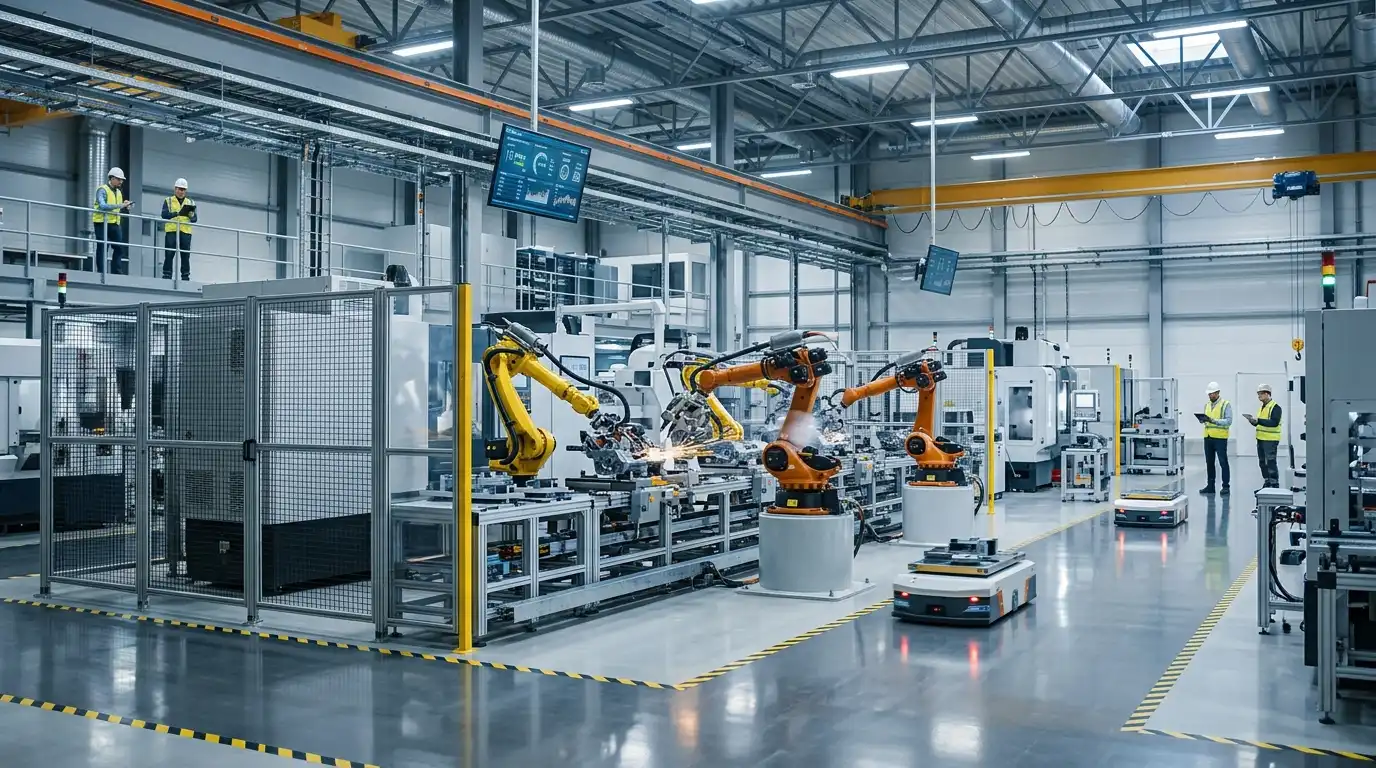
Industrial manufacturing has undergone a massive transformation over the past decade. Traditional assembly lines driven primarily by manual labor and purely mechanical machinery are rapidly giving way to smart factories powered by artificial intelligence, automated robotics, and interconnected Internet of Things (IoT) sensors. While these technological advancements boost production efficiency and worker safety, they also introduce unprecedented legal challenges. Understanding smart manufacturing product liability risks is essential for equipment manufacturers, factory operators, and legal professionals navigating modern industrial accountability.
The Evolution from Mechanical Faults to Complex Systems
In traditional product liability law, holding a party accountable for a defective industrial machine followed a relatively clear path. If a mechanical gear fractured, a hydraulic press malfunctioned due to poor welding, or a safety guard snapped, investigators could trace the physical flaw back to the specific manufacturer or fabricator.
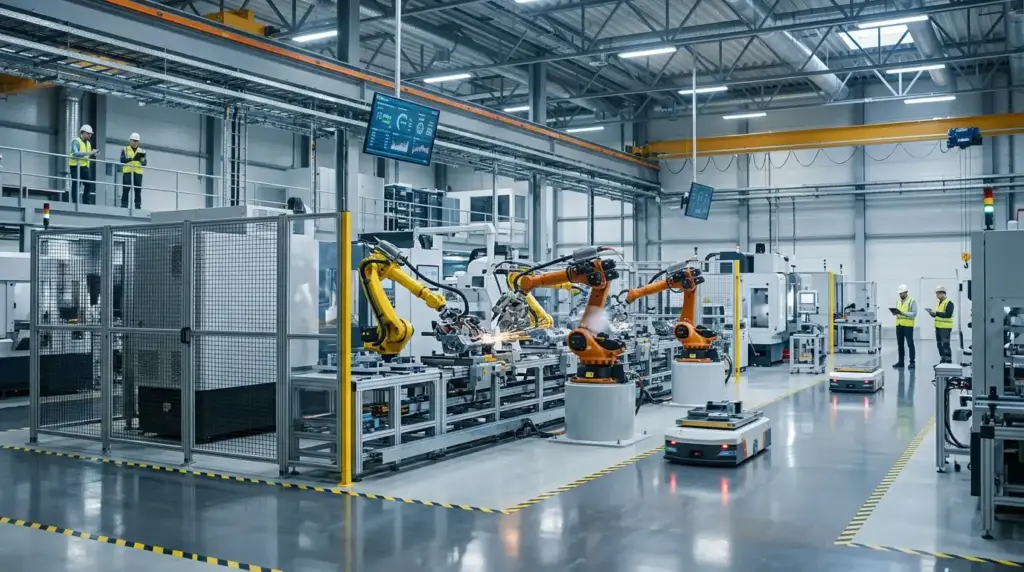
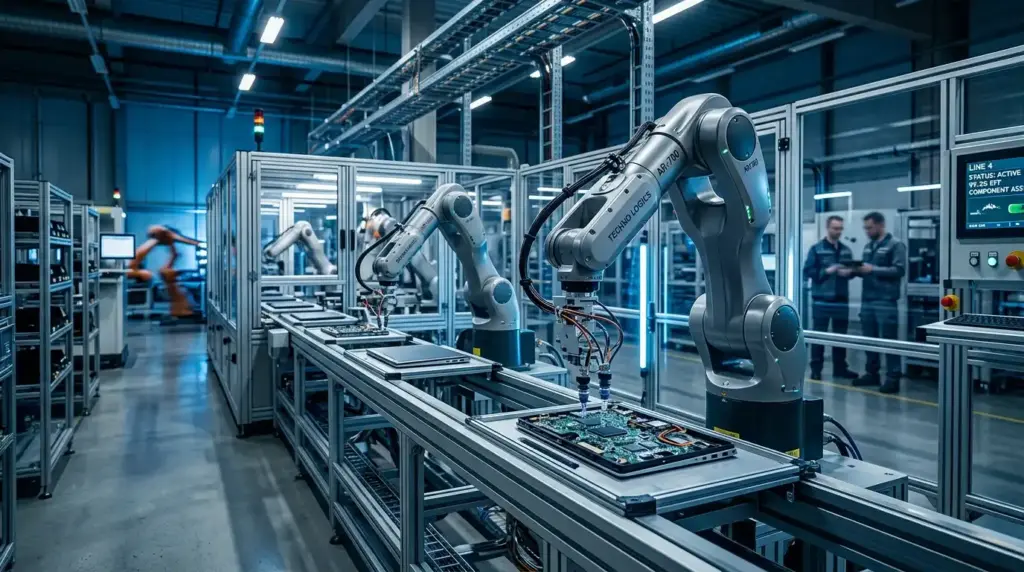
Today, automated machinery is rarely a standalone mechanical device. Modern industrial equipment integrates multi-vendor hardware, complex electronic control units, proprietary firmware, and cloud-based AI algorithms. When an automated machine malfunctions or causes an injury on a factory floor, isolating the exact root cause becomes an intricate forensic challenge. Liability no longer rests solely on the physical builder of the machine; it extends across a sprawling ecosystem of software developers, sensor manufacturers, system integrators, and plant operators.
Dissecting the Multi-Vendor Supply Chain
A single automated robotic arm operating on a manufacturing line may incorporate components sourced from half a dozen different global suppliers:
- Mechanical Framework: The physical steel chassis and actuators built by heavy machinery fabricators.
- Sensor Arrays: Proximity detectors, thermal monitors, and optical cameras supplied by specialized electronics firms.
- Operating Firmware & AI Software: Machine-learning algorithms and control logic programmed by third-party software developers.
- Cloud Integration: Data management systems that allow remote monitoring and over-the-air firmware updates.
When an accident occurs, determining whether the failure stemmed from a physical manufacturing defect, a sensor calibration error, or a flawed line of code in an AI update requires exhaustive expert analysis. Under product liability doctrines, each of these entities can potentially be pulled into litigation.
Software Flaws vs. Traditional Manufacturing Defects
One of the most significant legal shifts in smart manufacturing involves distinguishing between traditional physical defects and software-related failures. Software is inherently dynamic; unlike a forged metal bracket, it undergoes continuous updates, patches, and remote modifications.
If an AI-driven robotic system miscalculates a worker’s proximity due to a corrupted firmware patch pushed out by a software vendor weeks prior, injured parties and their counsel must evaluate whether the software provider breached its duty of care. Furthermore, issues surrounding inadequate cybersecurity, unauthorized network intrusion, or delayed security patches can introduce severe third-party liability if external hackers compromise industrial automation controls.
To examine broader federal product safety standards, regulatory compliance frameworks, and consumer protection guidelines, resources provided by the Consumer Product Safety Commission offer valuable regulatory insights.
The Shared Responsibility of Maintenance and Operator Oversight
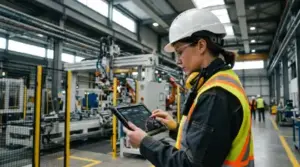
Even when advanced machinery is impeccably engineered, liability is rarely absolute. Equipment manufacturers often defend against product liability claims by pointing to operational negligence, inadequate maintenance, or unauthorized modifications made by the end-user factory.
Smart machinery relies heavily on scheduled calibration, prompt firmware upgrades, and strict adherence to operating guidelines. If a factory operator disables built-in safety interlocks to speed up production quotas, or if maintenance teams fail to service sensitive optical sensors according to manufacturer specifications, fault shifts significantly toward the employer.
Consequently, establishing clear accountability requires analyzing digital event logs stored within the machinery’s cloud memory. These logs record error codes, operator overrides, maintenance alerts, and sensor status leading up to an incident, providing objective evidence that either confirms a product defect or highlights operational misuse.
To explore comprehensive industrial safety standards, workplace regulations, and machinery compliance guidelines, consulting documentation from the Occupational Safety and Health Administration helps organizations maintain rigorous compliance frameworks.
Mitigating Risk in the Age of Smart Machinery
As automation continues to redefine industrial landscapes, businesses and manufacturers must adopt proactive risk management strategies to safeguard against catastrophic liability claims:
- Comprehensive Vendor Contracts: Establish clear indemnification clauses, warranty terms, and liability demarcations between hardware fabricators and software developers.
- Rigorous Testing Protocols: Implement exhaustive beta testing and safety validation for all firmware updates and AI algorithm modifications before deploying them to active factory floors.
- Detailed Audit Trails: Maintain immutable digital logs of all maintenance schedules, sensor calibrations, operator training records, and system updates.
Navigating product liability in the era of smart manufacturing requires a multidisciplinary approach combining engineering expertise, rigorous risk assessment, and proactive legal counsel. By understanding how interconnected technologies alter traditional notions of fault, industry leaders can build safer automated systems while protecting their operations from unforeseen liabilities.